Trivia
10 Surprising Facts About Queen
By Flash
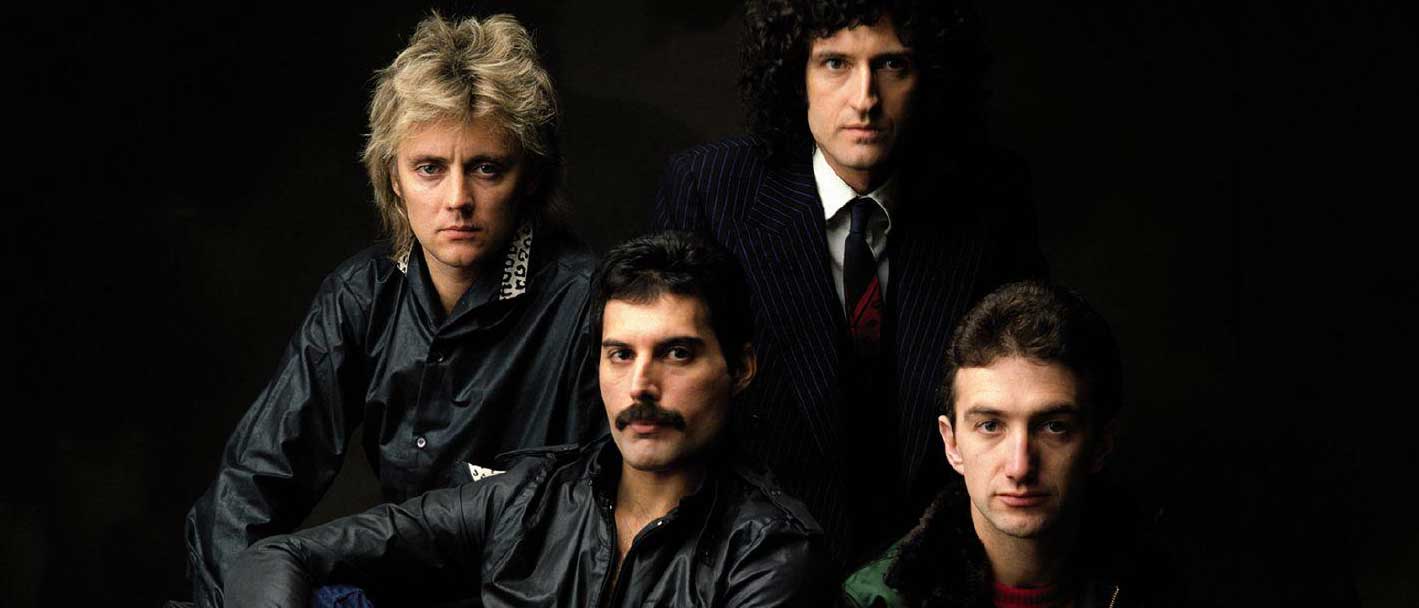
Queen is one of the most studied, celebrated and imitated bands in rock history. Yet even decades after their formation, newQueen band facts continue to surface that reshape how fans understand the group. Whether you are a casual listener who knows every word of Bohemian Rhapsody or a dedicated collector with every Japanese import pressing, this list ofFreddie Mercury trivia and behind-the-scenes revelations will give you a fresh appreciation for what made Queen extraordinary.
1. Bohemian Rhapsody was recorded across five studios
Most fans know that Bohemian Rhapsody took three weeks to record and that Freddie Mercury, Brian May and Roger Taylor spent days layering over 180 vocal overdubs for the opera section. What fewer people realise is that the song was pieced together across five different studios. When the band hit the physical track limit at one facility, they packed the tapes and moved to another studio with a different tape machine to continue stacking harmonies. The obsessive attention to detail is part of why the track still sounds unlike anything else in popular music.
2. Freddie Mercury designed the Queen crest himself
The iconic Queen logo — a phoenix, two lions, a crab and fairies surrounding a stylised letter Q — was drawn by Freddie Mercury himself. He studied art and design at Ealing Art College before committing to music full-time, and the crest reflects his fascination with astrology. Each creature corresponds to the band members' star signs: two lions for Leo (Deacon and Roger Taylor, who were coincidentally both born under that sign), a crab for Cancer (Brian May) and two fairies for Virgo (Freddie Mercury). The phoenix was Freddie's own symbolic flourish, representing rebirth and immortality.
3. Brian May built his own guitar out of firewood
The legendary "Red Special" that produces Brian May's unmistakable tone is not a factory instrument — he built it with his father from an old fireplace mantelpiece, a knitting needle and motorcycle valve springs. Construction began when Brian was just sixteen, and he still plays the same guitar today. The unconventional materials and hand-wound pickups give the Red Special a sustain and vocal-like quality that no commercial guitar has ever replicated. When you hear those multi-layered harmonies on We Will Rock You or the soaring solo of We Are the Champions, you are hearing a piece of homemade firewood turned into one of rock's most iconic instruments.
4. Under Pressure was almost entirely improvised in one session
The bass line that drives Under Pressure — often misattributed to Queen alone when it was in fact a collaboration with David Bowie — came together in a single impromptu jam session at Mountain Studios in Montreux. John Deacon wandered in, picked up his bass and played the riff that would become one of the most recognisable in music history. Bowie and Freddie Mercury then improvised the vocal melodies and lyrics on the spot, trading lines and competing for the microphone with playful aggression. The famous scat vocal interplay at the song's climax was literally invented in the moment, with neither singer knowing what the other would do next.
5. Freddie Mercury had a four-octave vocal range
Freddie Mercury's voice spanned roughly four octaves, from a deep growl to a piercing operatic high register. Scientists at the University of Vienna studied his vocal cords after his death and discovered something remarkable: his vibrato was faster than most classically trained opera singers, clocking in at 7.04 Hz compared to the average 5.4–6.9 Hz. His vocal folds were also unusually flexible, allowing him to switch between a rough rock register and a clean, almost choir-boy tone within the same phrase. This physical gift, combined with relentless technique, is why his voice remains the gold standard that every Queen tribute band front person is measured against.
6. The Live Aid set was only twenty minutes long
Queen's legendary performance at Live Aid 1985 — routinely voted the greatest live rock performance of all time — lasted just twenty minutes. The band played six songs: Bohemian Rhapsody,Radio Ga Ga, Hammer to Fall,Crazy Little Thing Called Love, We Will Rock Youand We Are the Champions. In that brief window, Freddie Mercury commanded Wembley Stadium with such authority that the entire event was effectively redefined around his presence. The performance was so dominant that other artists on the bill, including some of the biggest names in rock, reportedly felt demoralised following it. The set was not rehearsed as a unit; the band simply walked onstage and delivered.
7. Another One Bites the Dust was written on a bass riff John Deacon barely remembered
John Deacon woke up one morning with a bass riff in his head. He recorded a rough demo, played it for the band, and within daysAnother One Bites the Dust was taking shape. Deacon later admitted he could not fully remember how he had come up with the riff and struggled to recreate the exact feel in rehearsal. The song went on to become Queen's best-selling single in the United States and one of the most commercially successful tracks of the entire 1980s. Michael Jackson, who was in the studio during an early playback, reportedly urged the band to release it as a single — advice they followed, with spectacular results.
8. Freddie Mercury recorded vocals until his final days
One of the most moving Freddie Mercury trivia facts is that he continued recording vocals for the band's final album,Made in Heaven, even as his health deteriorated from AIDS-related complications. Producers and band members recall that he would lie on a couch between takes, gather his strength, then walk to the microphone and deliver flawless performances. His final vocal recording was for Mother Love, a song he did not live to complete; Brian May sang the final verse because Freddie felt too weak to finish. The determination and professionalism he showed in those last sessions remain a defining part of his legacy.
9. The band nearly broke up before A Night at the Opera
In 1975, Queen were exhausted and financially stretched. Their previous album had underperformed, management disputes were escalating and the band seriously considered splitting. Instead, they doubled down, fought to escape their management contract and invested everything they had into A Night at the Opera. The album, featuring Bohemian Rhapsody, became the most expensive record ever produced at the time — and the most commercially successful. Without that make-or-break moment, Queen as the world knows them would not exist. The story is a powerful reminder that even the greatest bands face moments of genuine crisis.
10. We Will Rock You was designed to be played by the audience
We Will Rock You was written specifically so that a crowd could participate without instruments. Brian May wanted a song that would unite a stadium in rhythmic clapping and stomping, making the audience itself the percussion section. The stripped-back arrangement — no drums, no bass, just vocals, handclaps and foot stomps — was deliberately minimalist so that the song could be reproduced anywhere, by anyone. It worked. Today it remains one of the most universally recognised anthems in rock, performed by millions at sporting events, concerts and gatherings around the world. Queen understood something profound: the best songs do not just entertain an audience, they make the audience part of the music.
Why these facts matter for tribute bands
Every Queen band fact and story above reveals the depth of craft, obsession and showmanship that defined the original group. The homemade guitar, the layered opera vocals, the audience-designed anthem — these are not accidents. They are the result of musicians who treated every detail as an opportunity to be extraordinary. That is the standard a great Queen tribute band must aspire to.
At Flash, we study these stories because they inform how we approach every performance. From the replica-spec equipment that honours Brian May's Red Special to the vocal discipline that respects Freddie Mercury's range, we believe a tribute should be more than a cover — it should be a celebration of everything that made Queen unique. If you want to experience that level of detail live, explore our upcoming tour dates or get in touch to discuss bringing Flash to your event.