History
Queen at Live Aid 1985: The Performance That Changed Everything
By Flash
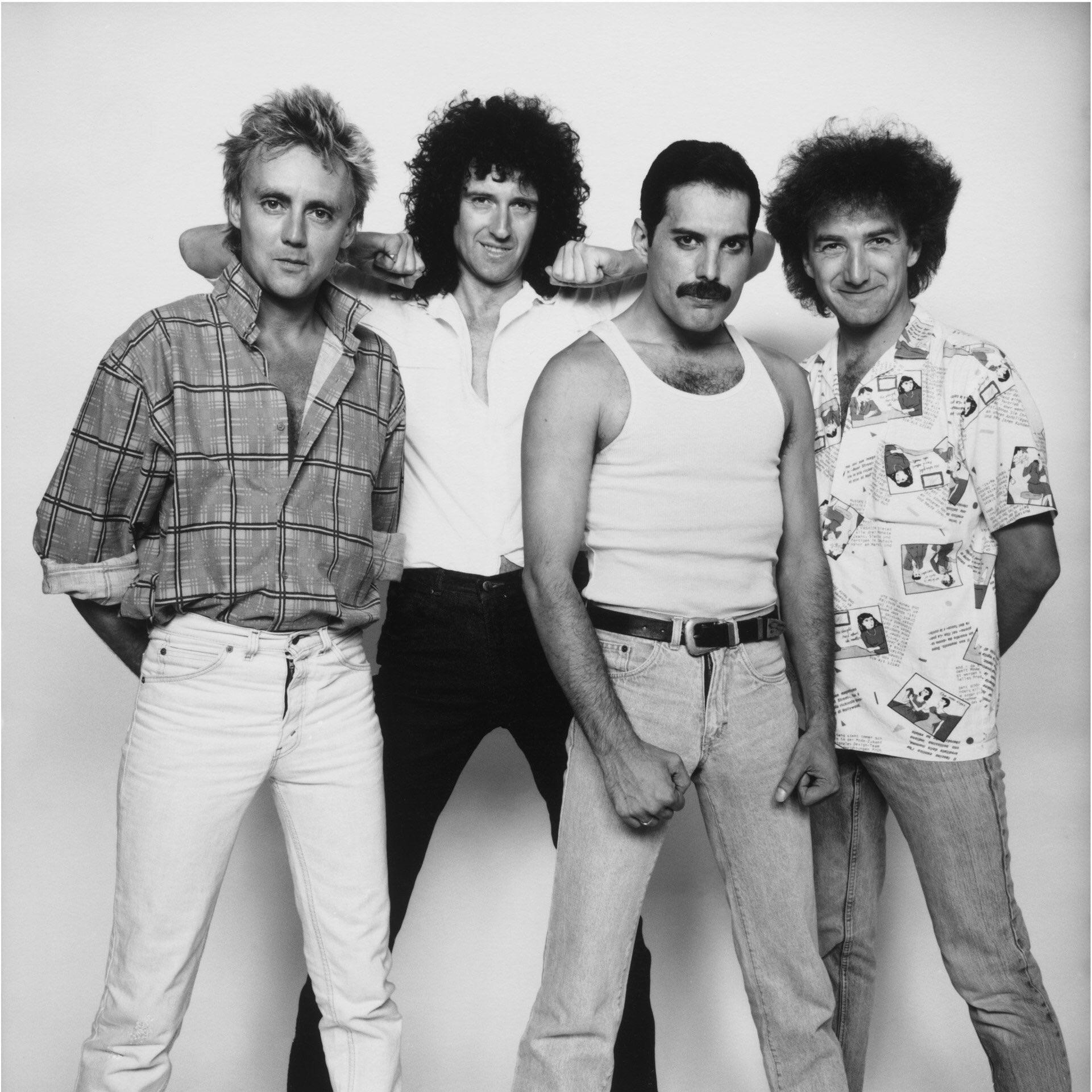
On 13 July 1985, Queen stepped onto the stage at Wembley Stadium and delivered what is widely regarded as the greatest live rock performance in history. Their slot at the Live Aid charity concert lasted just twenty minutes, yet it transformed the band's fortunes, cemented Freddie Mercury's reputation as the ultimate frontman, and set a benchmark that every Queen tribute band still chases today.
The context: a band in need of a revival
By the mid-1980s, Queen's commercial momentum had slowed. Their 1982 album Hot Space had confused fans with its heavy disco influence, and while 1984's The Works recovered some ground, the band was no longer the dominant force they had been in the 1970s. They had also stopped touring in 1982, and internal tensions were running high. Live Aid was not just a charity appearance — it was an opportunity to remind the world who Queen were.
The Live Aid setlist: six songs, zero filler
Queen's 1985 Live Aid setlist was a masterclass in pacing and crowd control. They opened with a shortenedBohemian Rhapsody, segued into the stomping arena anthemRadio Ga Ga, then powered through Hammer to Falland Crazy Little Thing Called Love. They closed withWe Will Rock You and We Are the Champions, effectively turning 72,000 people at Wembley and hundreds of millions watching on television into a single, thundering choir.
The sequence was designed to build. Each song handed the audience something different: the operatic drama of Bohemian Rhapsody, the communal participation of Radio Ga Ga, the raw rock energy of Hammer to Fall, the playful Elvis swing ofCrazy Little Thing Called Love, and finally the two anthems that defined Queen's relationship with stadium crowds. There was not a single moment of hesitation.
Freddie Mercury's performance: the definition of command
What separates a good frontman from a legendary one is the ability to make a stadium feel intimate. Freddie Mercury's Live Aid performance did exactly that. Within seconds of walking on stage, he had connected with every person in Wembley. His voice soared, his movements were precise and theatrical, and his between-song patter — including the famous improvised call-and-response with the crowd — demonstrated a performer at absolute peak confidence.
The physicality was extraordinary. Mercury bounded across the stage, played piano, engaged with all four corners of the stadium, and maintained a vocal standard that would have been impressive in a studio, let alone in the open air with minimal sound-check. Band members later admitted they had barely rehearsed as a unit for the event; they simply trusted Mercury to carry them. He did.
The technical challenge of a global broadcast
Live Aid was broadcast simultaneously to an estimated 1.9 billion viewers across 150 countries. Queen had only a short window to sound-check, and the stage was shared with dozens of other acts with wildly different production needs. The band's crew had roughly twenty minutes to set up their equipment before the performance and even less time to clear it afterwards.
Despite these constraints, Queen's sound was remarkably full. Brian May's homemade Red Special guitar cut through the stadium air with its trademark sustain, Roger Taylor's drums provided the thunderous backbone for the anthems, and John Deacon's bass held everything together with understated precision. The performance sounded rehearsed and polished because the musicians were simply that good.
The aftermath: how 20 minutes saved a career
The impact of the Queen Live Aid impact on the band's career cannot be overstated. Almost overnight, they went from a group whose best days seemed behind them to the hottest act in rock. Record sales spiked, concert demand surged, and the performance is still routinely voted the greatest live set of all time in music polls.
Other artists on the bill reportedly felt daunted following Queen's set. The performance became a case study in what a live rock show could achieve when a band treated every second on stage as an opportunity to be extraordinary. For Queen, it was a rebirth — and it set the stage for the massive success they would enjoy through the late 1980s and beyond.
Why Live Aid still matters for tribute bands
Every Queen tribute band studies that Wembley set because it contains the DNA of what makes Queen special. It is not just about hitting the right notes or wearing a convincing moustache. It is about understanding how Freddie Mercury controlled a crowd, how the band sequenced songs to build emotional momentum, and how they made a vast stadium feel like a private conversation between artist and audience.
At Flash, we approach every performance with that same philosophy. The songs are the foundation, but the delivery is what makes a tribute memorable. From the vocal power that channels Mercury's four-octave range to the stage presence that commands a room of any size, we believe a great tribute should make audiences feel what Wembley felt in 1985.
If you want to experience that level of live energy for yourself, explore our upcoming tour dates or get in touch to discuss bringing Flash to your event.